Vinyl Siding Cost by State (2026)
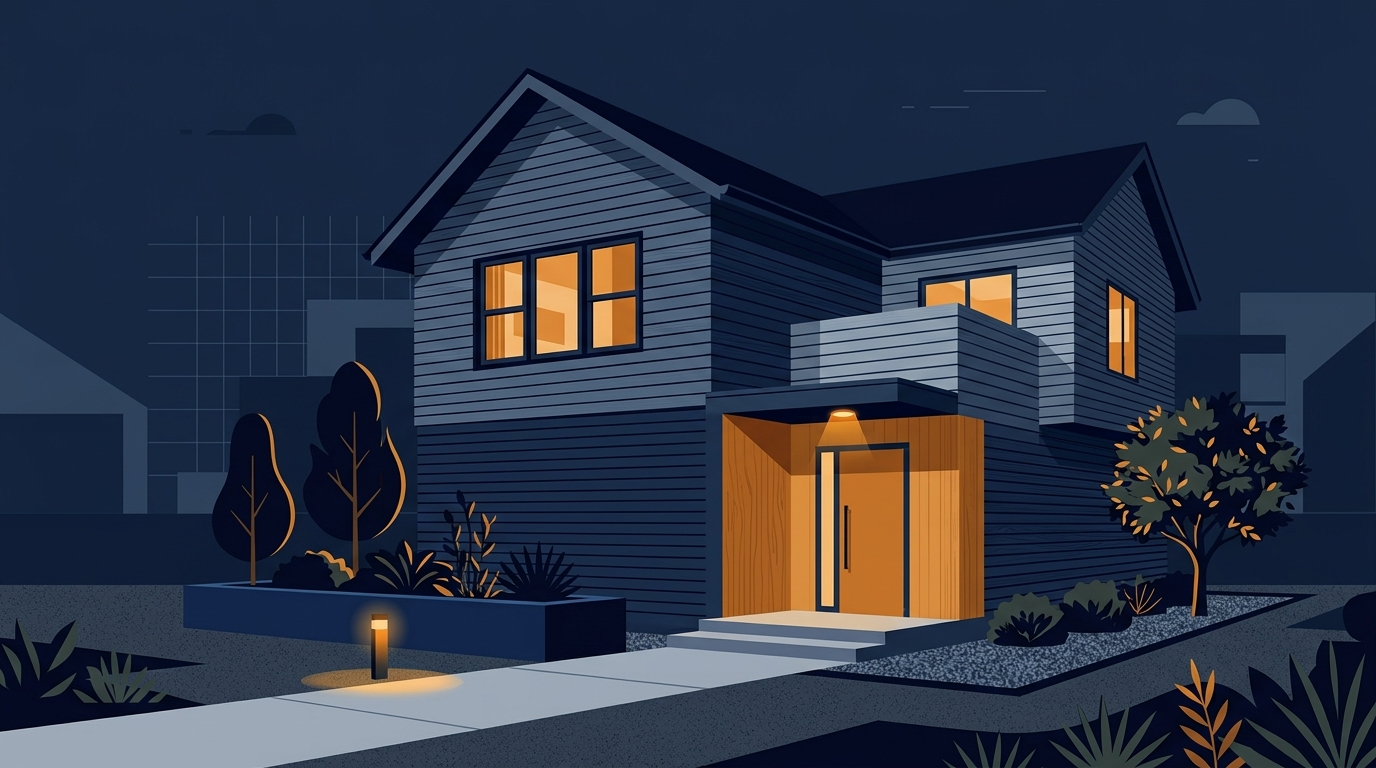
Vinyl is the most common residential siding in the US — roughly 30% of homes — because it's the cheapest durable option that doesn't require finish painting. A full replacement on a typical 2,000 sq ft home runs $9,000 to $19,000 nationally in 2026.
The state spread on vinyl siding is smaller than other trades because the material is commodity-priced and the labor is fast. But it's not flat. Coastal and hot- climate states pay 30–60% more because the same exterior wall has to handle hurricane-rated nailing schedules, foam-backed siding for energy code, or fiber- cement substitutes where vinyl is restricted by HOA or code.
Where it's cheapest, where it's most expensive
Cheapest 4 states
- Mississippi · $7,700–$16,300
- Arkansas · $8,100–$17,000
- West Virginia · $8,100–$17,000
- Indiana · $8,300–$17,500
Most expensive 4 states
- California · $19,600–$41,300
- Hawaii · $18,400–$38,900
- New York · $16,100–$34,000
- Alaska · $16,100–$34,000
2026 vinyl siding cost by state
| State | Total cost (typical home) | Per sq ft installed |
|---|---|---|
| Northeast | ||
| Connecticut | $13,900–$29,400 | $6.96–$14.70 |
| Maine | $12,400–$26,200 | $6.21–$13.12 |
| Massachusetts | $15,400–$32,600 | $7.71–$16.28 |
| New Hampshire | $13,100–$27,700 | $6.56–$13.85 |
| New Jersey | $14,300–$30,100 | $7.13–$15.07 |
| New York | $16,100–$34,000 | $8.05–$17.01 |
| Pennsylvania | $10,900–$23,100 | $5.46–$11.54 |
| Rhode Island | $13,700–$28,900 | $6.84–$14.46 |
| Vermont | $13,100–$27,700 | $6.56–$13.85 |
| Midwest | ||
| Illinois | $10,600–$22,400 | $5.29–$11.18 |
| Indiana | $8,300–$17,500 | $4.14–$8.75 |
| Iowa | $9,000–$19,000 | $4.49–$9.48 |
| Kansas | $8,700–$18,500 | $4.37–$9.23 |
| Michigan | $9,300–$19,700 | $4.66–$9.84 |
| Minnesota | $10,900–$23,100 | $5.46–$11.54 |
| Missouri | $8,900–$18,700 | $4.43–$9.36 |
| Nebraska | $9,100–$19,200 | $4.54–$9.60 |
| North Dakota | $10,200–$21,600 | $5.12–$10.81 |
| Ohio | $9,000–$19,000 | $4.49–$9.48 |
| South Dakota | $9,500–$20,200 | $4.77–$10.08 |
| Wisconsin | $10,200–$21,600 | $5.12–$10.81 |
| South | ||
| Alabama | $8,500–$18,000 | $4.25–$8.99 |
| Arkansas | $8,100–$17,000 | $4.03–$8.51 |
| Delaware | $11,700–$24,800 | $5.87–$12.39 |
| Florida | $10,400–$21,900 | $5.17–$10.94 |
| Georgia | $9,200–$19,400 | $4.60–$9.72 |
| Kentucky | $8,600–$18,200 | $4.31–$9.11 |
| Louisiana | $9,200–$19,400 | $4.60–$9.72 |
| Maryland | $12,300–$26,000 | $6.15–$13.00 |
| Mississippi | $7,700–$16,300 | $3.85–$8.14 |
| North Carolina | $9,000–$19,000 | $4.49–$9.48 |
| Oklahoma | $8,500–$18,000 | $4.25–$8.99 |
| South Carolina | $8,900–$18,700 | $4.43–$9.36 |
| Tennessee | $8,600–$18,200 | $4.31–$9.11 |
| Texas | $9,900–$20,900 | $4.95–$10.45 |
| Virginia | $10,600–$22,400 | $5.29–$11.18 |
| West Virginia | $8,100–$17,000 | $4.03–$8.51 |
| West | ||
| Alaska | $16,100–$34,000 | $8.05–$17.01 |
| Arizona | $11,500–$24,300 | $5.75–$12.15 |
| California | $19,600–$41,300 | $9.78–$20.66 |
| Colorado | $13,700–$28,900 | $6.84–$14.46 |
| Hawaii | $18,400–$38,900 | $9.20–$19.44 |
| Idaho | $11,300–$23,800 | $5.64–$11.91 |
| Montana | $11,800–$25,000 | $5.92–$12.51 |
| Nevada | $11,800–$25,000 | $5.92–$12.51 |
| New Mexico | $10,400–$21,900 | $5.17–$10.94 |
| Oregon | $13,100–$27,700 | $6.56–$13.85 |
| Utah | $12,200–$25,800 | $6.10–$12.88 |
| Washington | $14,500–$30,600 | $7.25–$15.31 |
| Wyoming | $11,500–$24,300 | $5.75–$12.15 |
Methodology: ranges are state-cost-adjusted from a national trade baseline and reflect typical contractor direct cost (labor + materials, before overhead). Use them for feasibility-grade scoping, not as a binding quote. For a project-specific estimate, generate one free in under 60 seconds.
What moves vinyl siding cost
Tear-off vs new construction. Replacing existing siding adds $1.50–$3.00/sq ft for removal and disposal. On a 2,000 sq ft house that's $3,000–$6,000 just to take the old material off. New construction over fresh sheathing is at the low end of the state range.
Insulated (foam-backed) vinyl. Standard vinyl runs $3–$5/sq ft material. Foam-backed insulated vinyl is $5–$8/sq ft and adds R-2 to R-4 of continuous insulation. Required in some Northeast and Northwest jurisdictions to meet energy code on replacement projects — see our climate zone cost impact guide.
House wrap and trim. Code now requires a weather-resistive barrier behind new siding. Tyvek HomeWrap or equivalent is $0.30–$0.60/sq ft. New aluminum or PVC trim around windows, doors, and corners adds $1,500–$3,500. Don't skip it — water intrusion at trim is the most common siding-related insurance claim.
Hurricane and wind zones. Florida, the Gulf Coast, and Atlantic states require tighter nailing schedules (every 8" on center vs 16") and sometimes ring-shank or hurricane-rated nails. Coastal counties may require fiber-cement or Hardie board instead of vinyl. See our coastal construction overhead guide for the wind-zone cost premium.
Profile and color choice. Most vinyl is double-4 or double-5 horizontal lap. Premium profiles (dutch lap, board- and-batten, scallop) add 15–35% in material. Darker colors (deep blue, charcoal, forest green) cost 10–20% more than light tans and whites because of color stabilizers. Dark colors also expand more in heat — verify the installer accounts for this in coastal heat.
Frequently asked questions
How long does vinyl siding last?
Vinyl vs fiber cement (Hardie board) — which is better value?
Can I install vinyl siding myself?
Why is vinyl banned in some neighborhoods?
Should I insulate the wall while the siding is off?
Generate a siding estimate
Generate a free CostKit estimate for your specific house — tear-off scope, square footage, insulated vs standard vinyl, trim package — and get a phase-by-phase breakdown calibrated to your state and project.
Related
The cost ranges above are state-level averages. Three things move the number for a specific project: the local labor market right now (see permit activity and labor demand), the climate zone you're building in (see climate zone cost impact), and whether the address sits in a hurricane, flood, or seismic overlay (see coastal construction overhead).
For broader benchmarks, see our cost per square foot by state breakdown and construction labor rates by state guide.